01AUG 08 · AM
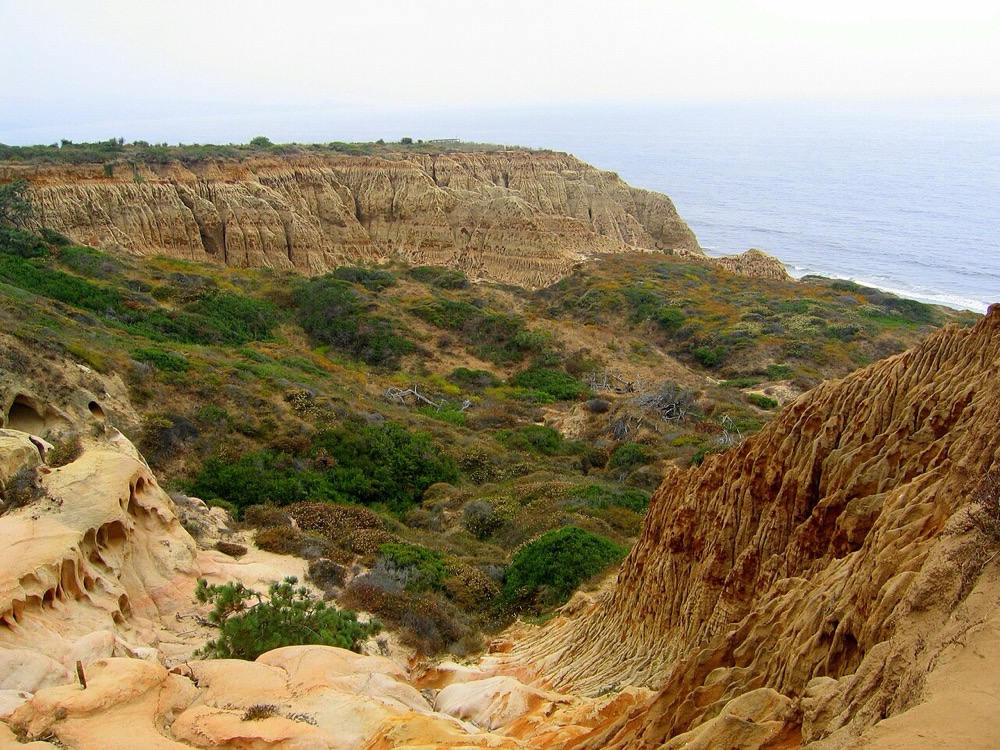
Torrey Pines Reserve
Use a tiny hiker to give the sandstone cliffs scale; let the coast form the reveal.
PHOTO · Nauticashades · CC BY-SA 3.0 ↗A photographer’s field itinerary from the Pacific edge to Mojave dark sky—timed around the new moon, long light, and four low-interference astro windows.
Use these as visual orientation, not frames to duplicate. Tap any credit to open the original photograph and license.
Use a tiny hiker to give the sandstone cliffs scale; let the coast form the reveal.
PHOTO · Nauticashades · CC BY-SA 3.0 ↗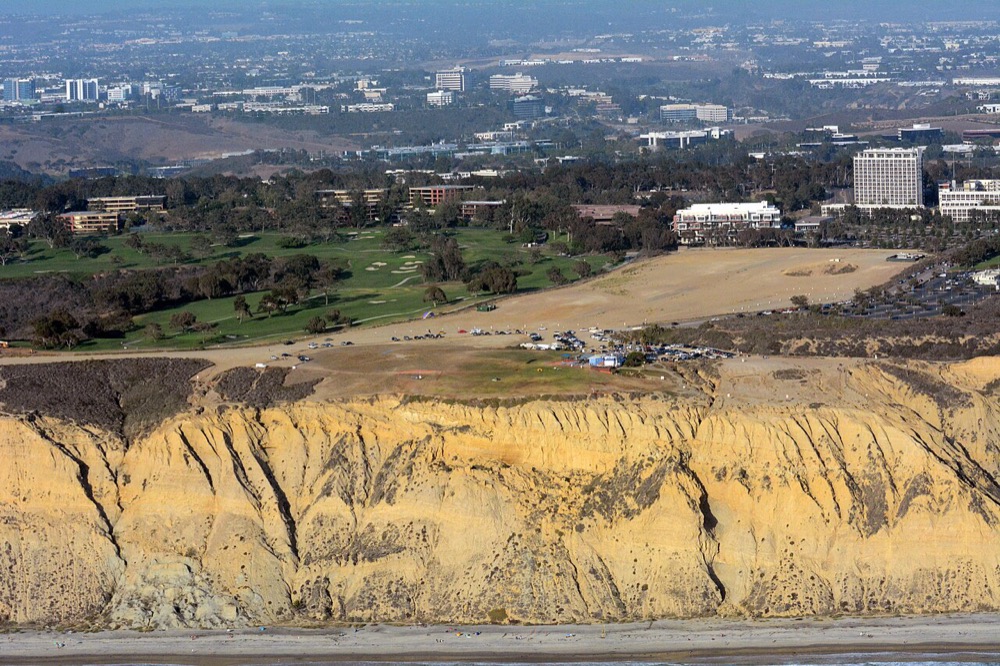
Frame the launch wide, then compress a bright canopy against the blue Pacific.
PHOTO · Don Ramey Logan · CC BY-SA 4.0 ↗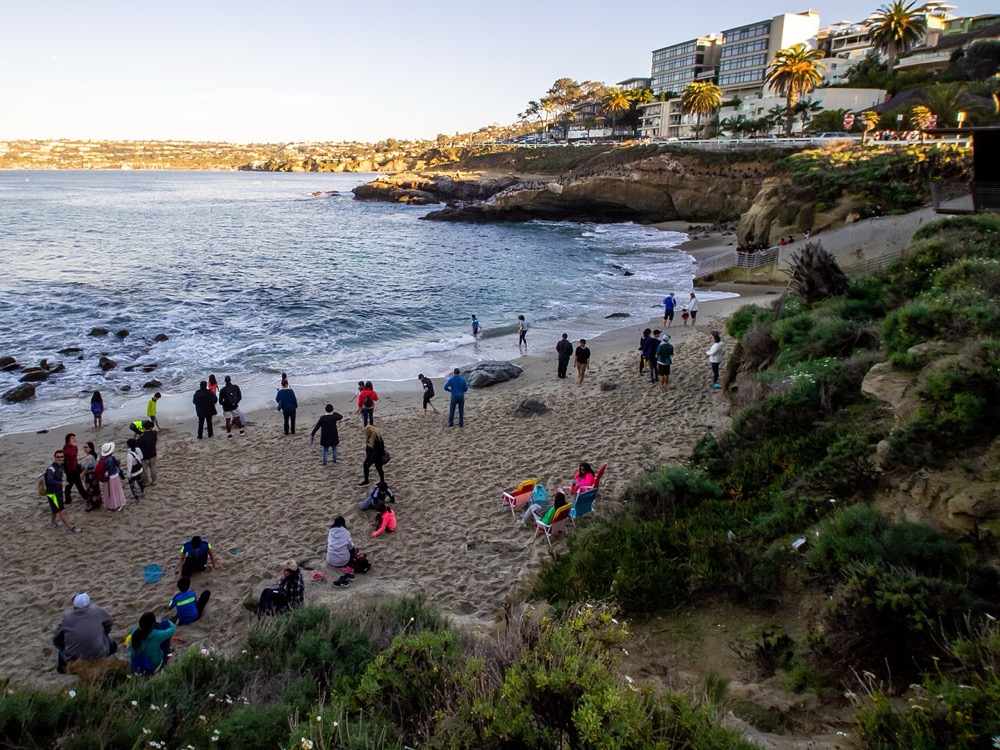
Build layers with sea lions, whitewater, rock and people along the bluff.
PHOTO · Ajay Suresh · CC BY 2.0 ↗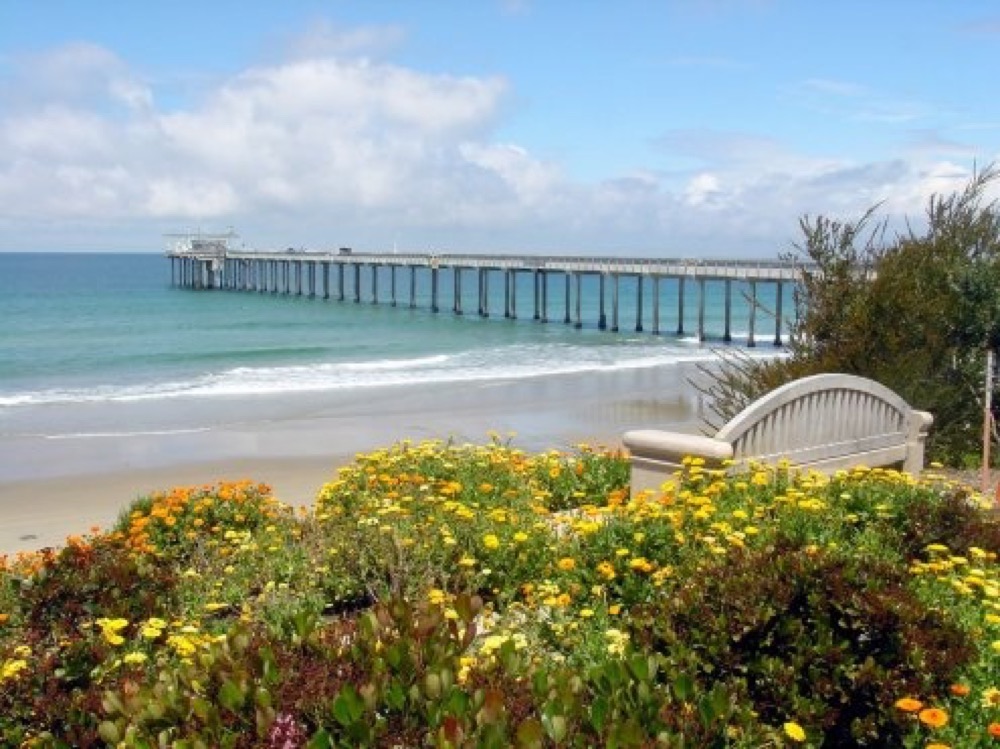
Center the repeating pilings and wait for reflected sunset color on wet sand.
PHOTO · Scrippsnews · Public domain ↗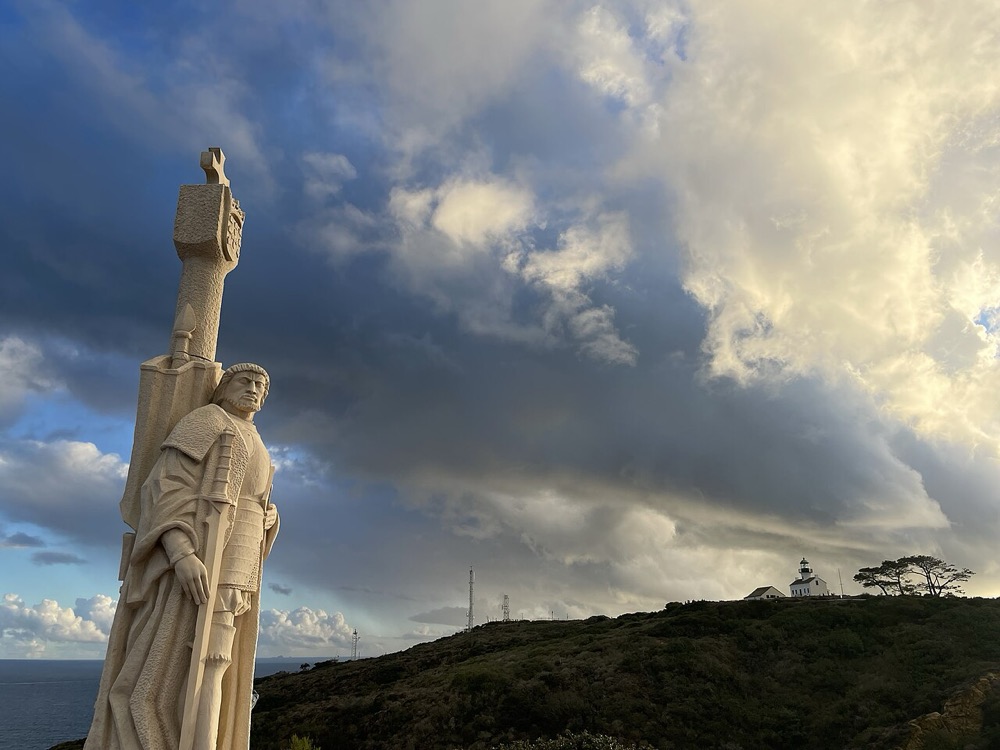
Use the path as a leading line to the lighthouse, with open sky around the tower.
PHOTO · Blervis · CC0 ↗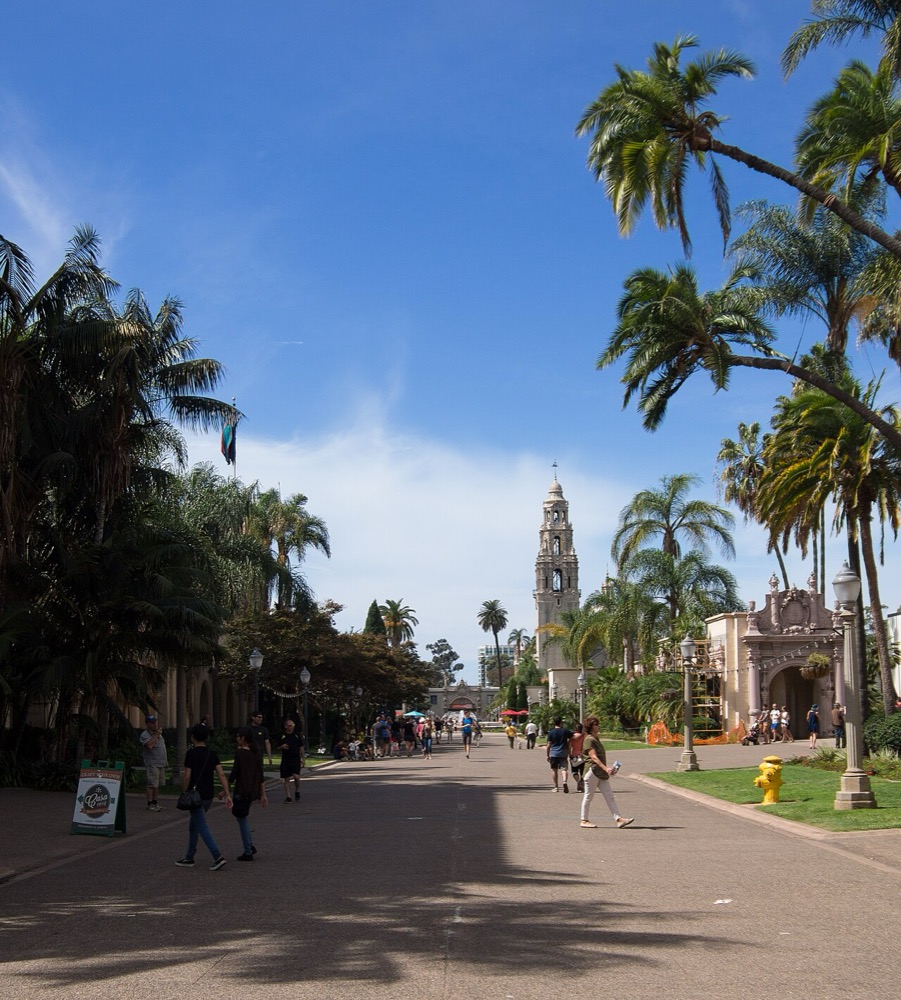
Work the ornate arches symmetrically and wait for one clean human figure.
PHOTO · Rhododendrites · CC BY-SA 4.0 ↗
Compress the skyline across the bay; use a ferry or shoreline figure for movement.
PHOTO · Tuxyso · CC BY-SA 3.0 ↗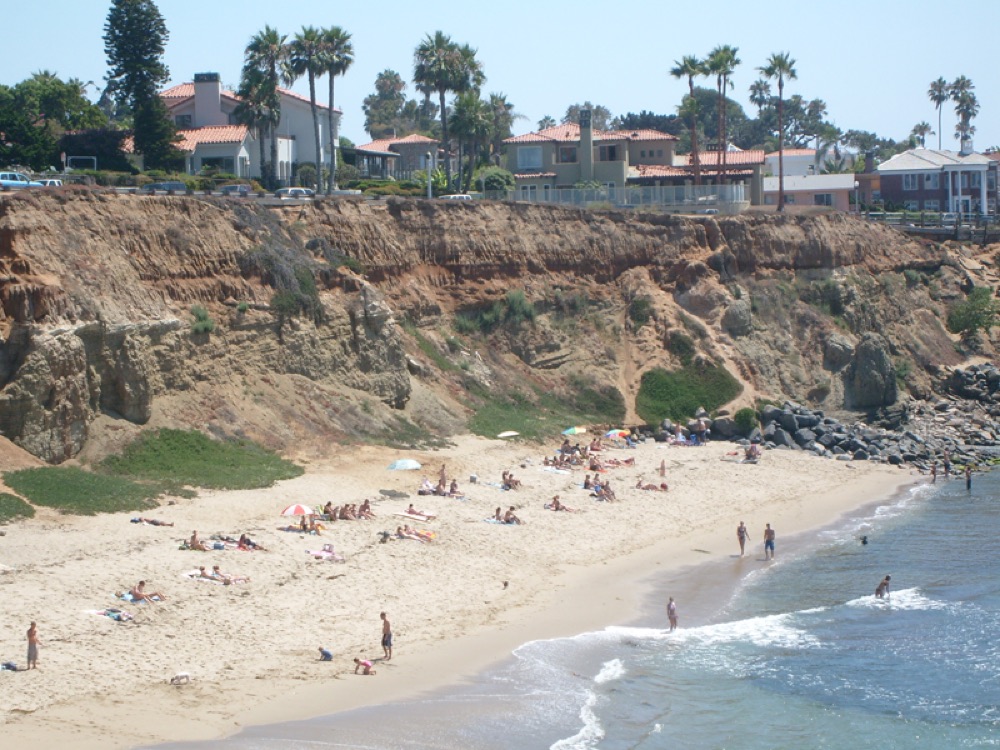
Hold a small silhouette against the horizon and preserve plenty of negative space.
PHOTO · Rob Reviewer · CC BY 3.0 ↗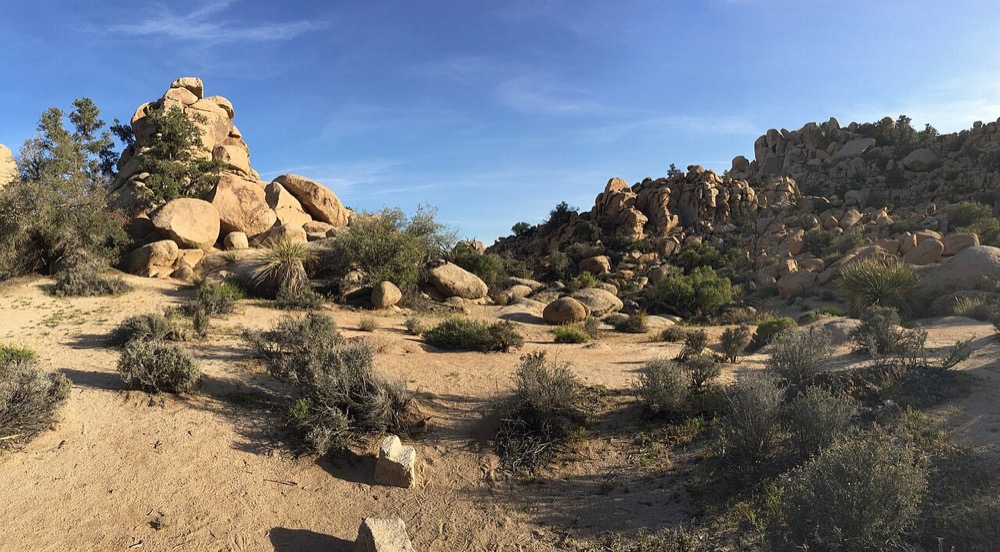
Reveal the enclosed valley through the rock entrance; include a person for scale.
PHOTO · Er-nay · CC BY-SA 4.0 ↗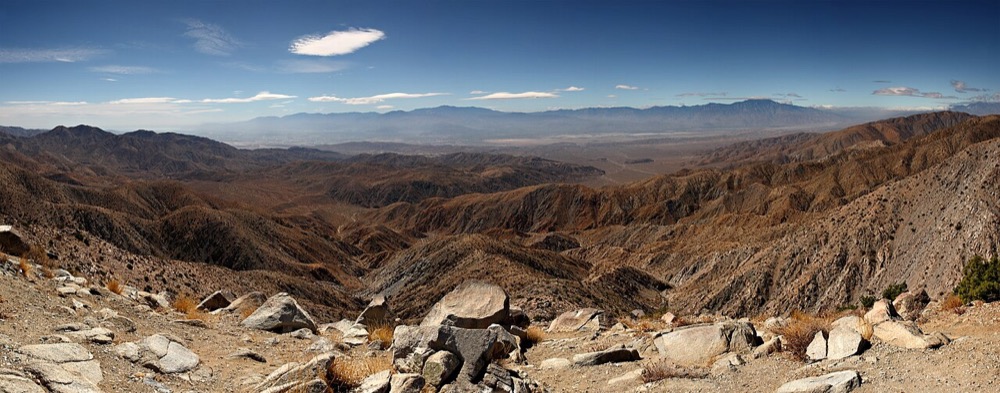
Use long-lens ridge compression and heat shimmer instead of only a conventional wide.
PHOTO · Matthew Field · CC BY-SA 3.0 ↗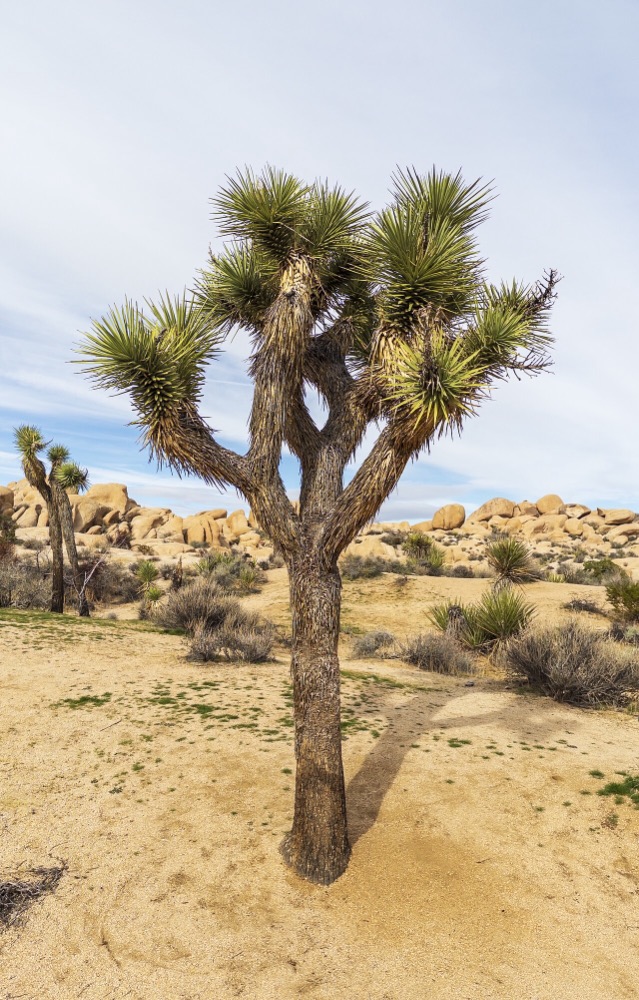
Scout this daytime geometry, then place the Milky Way or Perseid radiant around the arch.
PHOTO · E bailey · CC0 ↗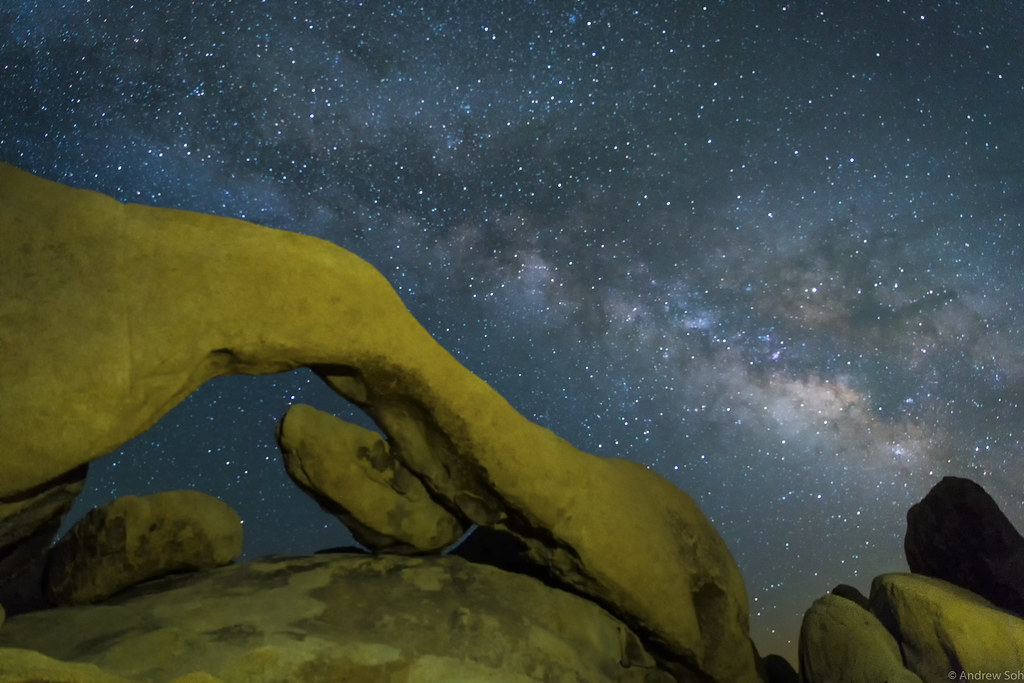
The arch can anchor the lower-left frame while the Milky Way runs diagonally above it; keep light painting restrained.
PHOTO · Visualvalhalla · CC BY-ND 2.0 ↗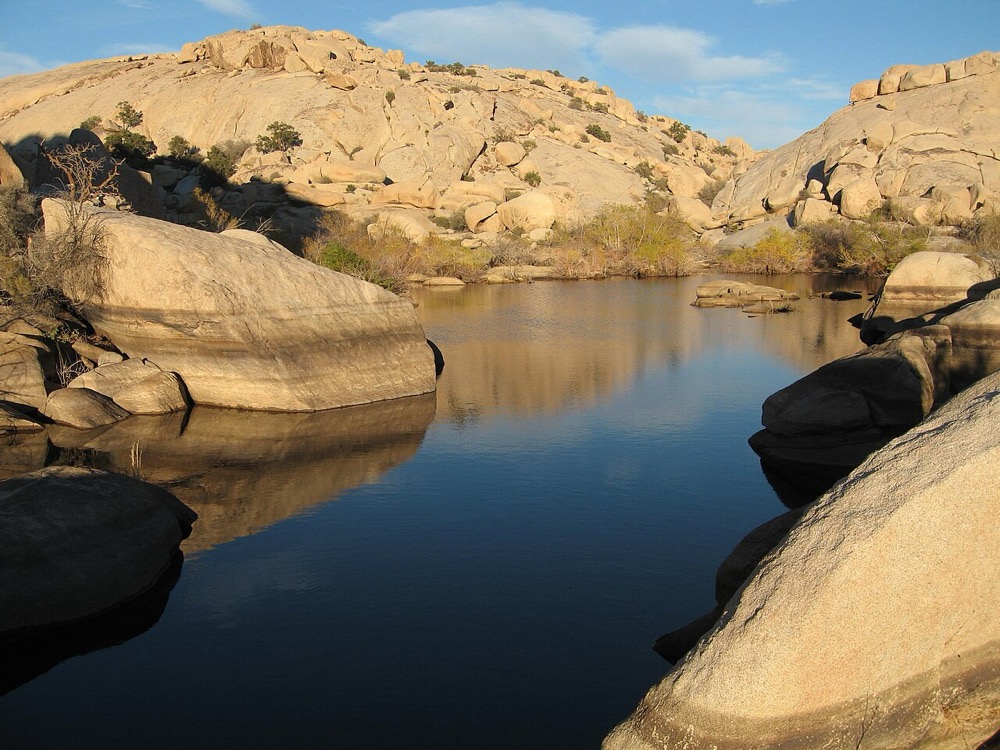
If water remains, look for boulder reflections; otherwise emphasize the historic structure.
PHOTO · Robb Hannawacker / NPS · Public domain ↗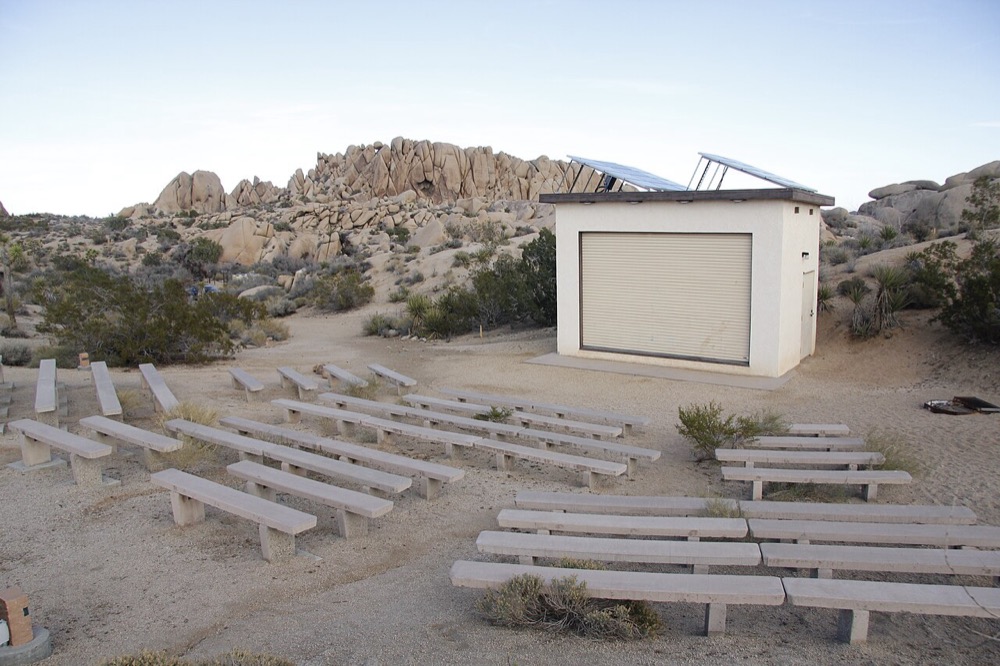
Make the tent and Mazda tiny beneath the rounded boulders to show the camp’s scale.
PHOTO · Joshua Tree National Park · Public domain ↗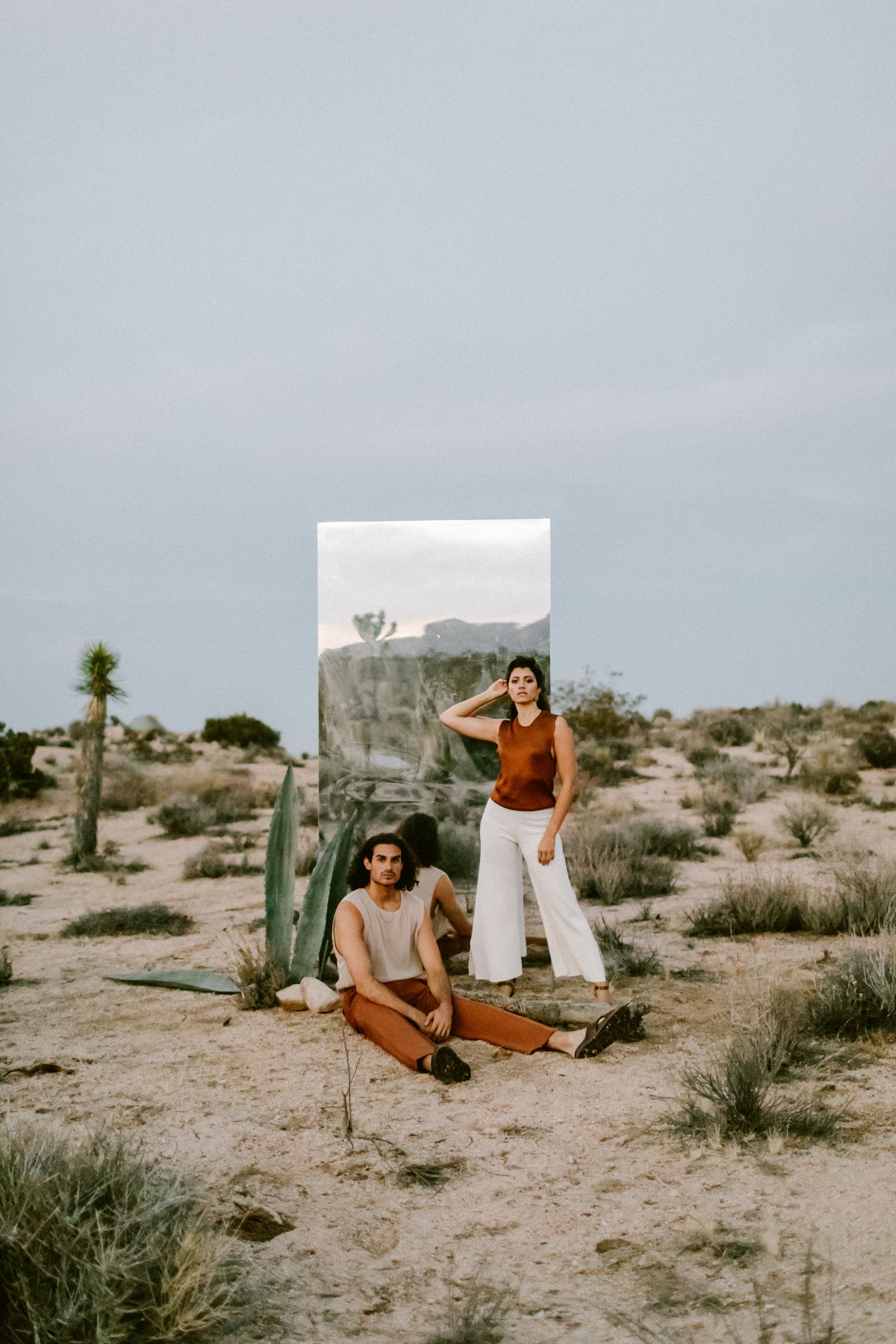
Use a strong vertical composition, generous sky and one simple styling idea; substitute Jumbo Rocks for the mirror backdrop unless the model brings a compact prop.
PHOTO · Tiarra Sorte · Pexels ↗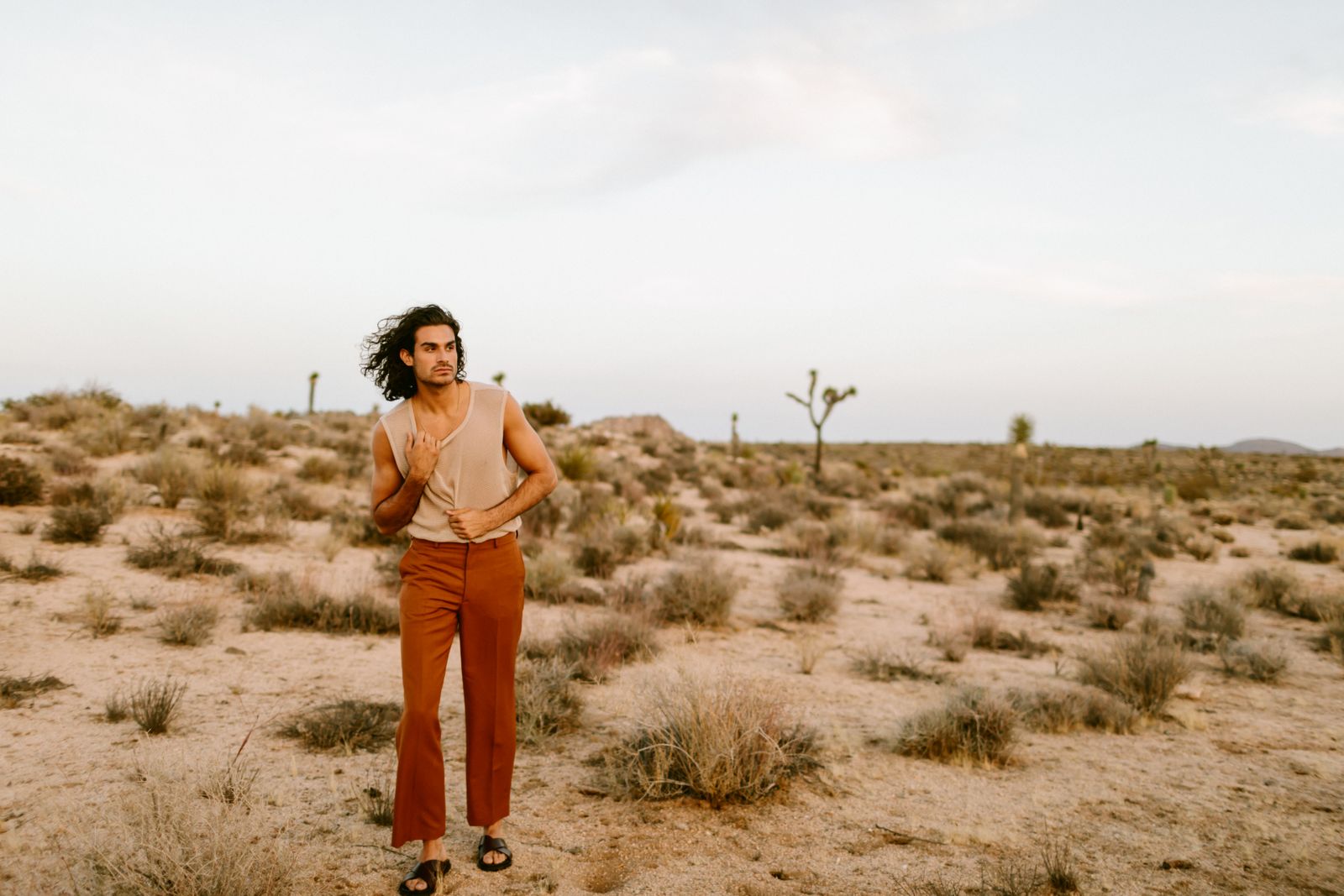
Place the model low in the frame and let open sky and boulders carry the scale; rust, cream, red and white separate cleanly from desert neutrals.
PHOTO · Tiarra Sorte · Pexels ↗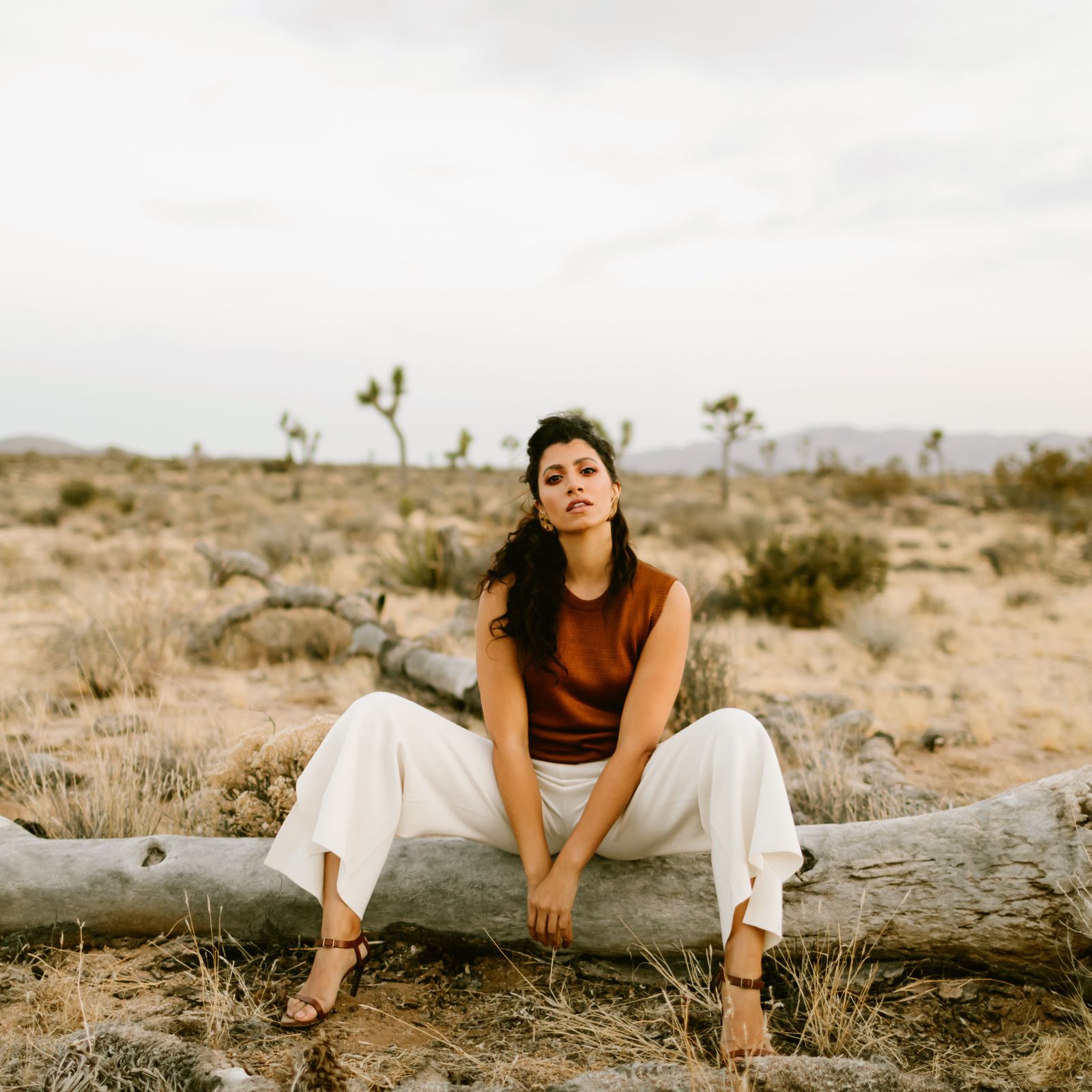
Finish with a closer environmental portrait as the light softens; use a low boulder as a seated pose and retain the Joshua trees on the horizon.
PHOTO · Tiarra Sorte · Pexels ↗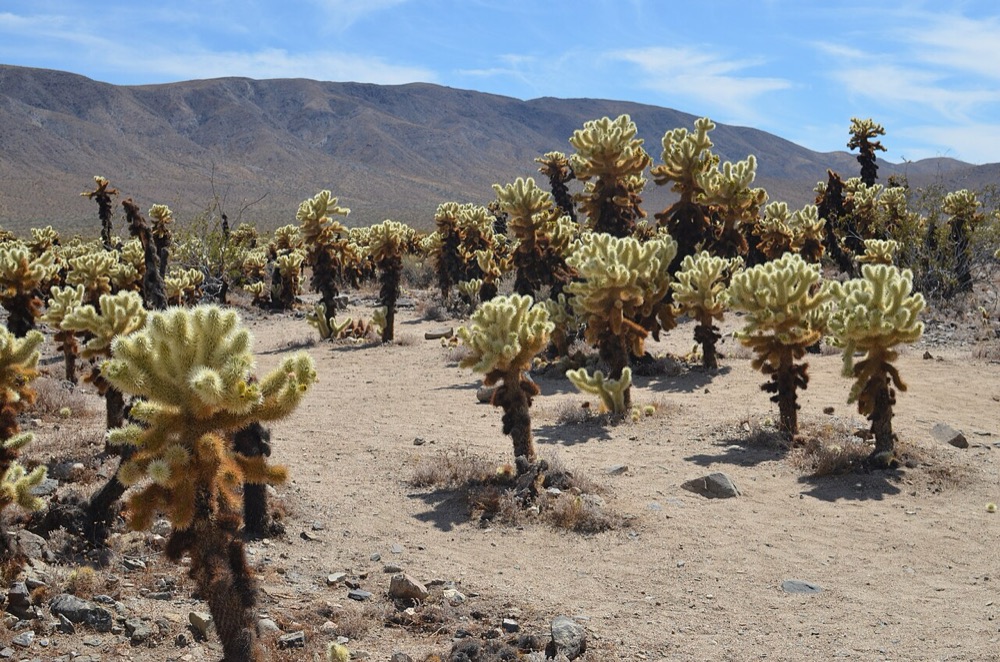
If timing and heat allow an earlier visit, backlight the spines and stay strictly on the established path.
PHOTO · Steven Lek · CC BY-SA 4.0 ↗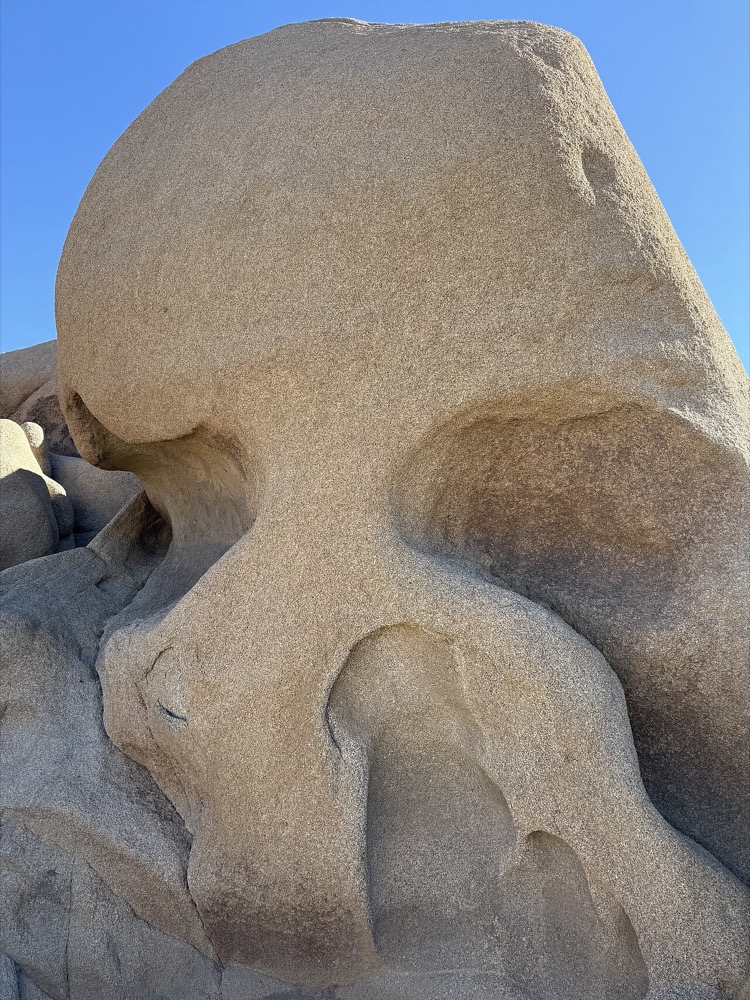
Establish the face profile before dark, then reveal it with silhouette or controlled light.
PHOTO · G. Narasimhamurthy · CC0 ↗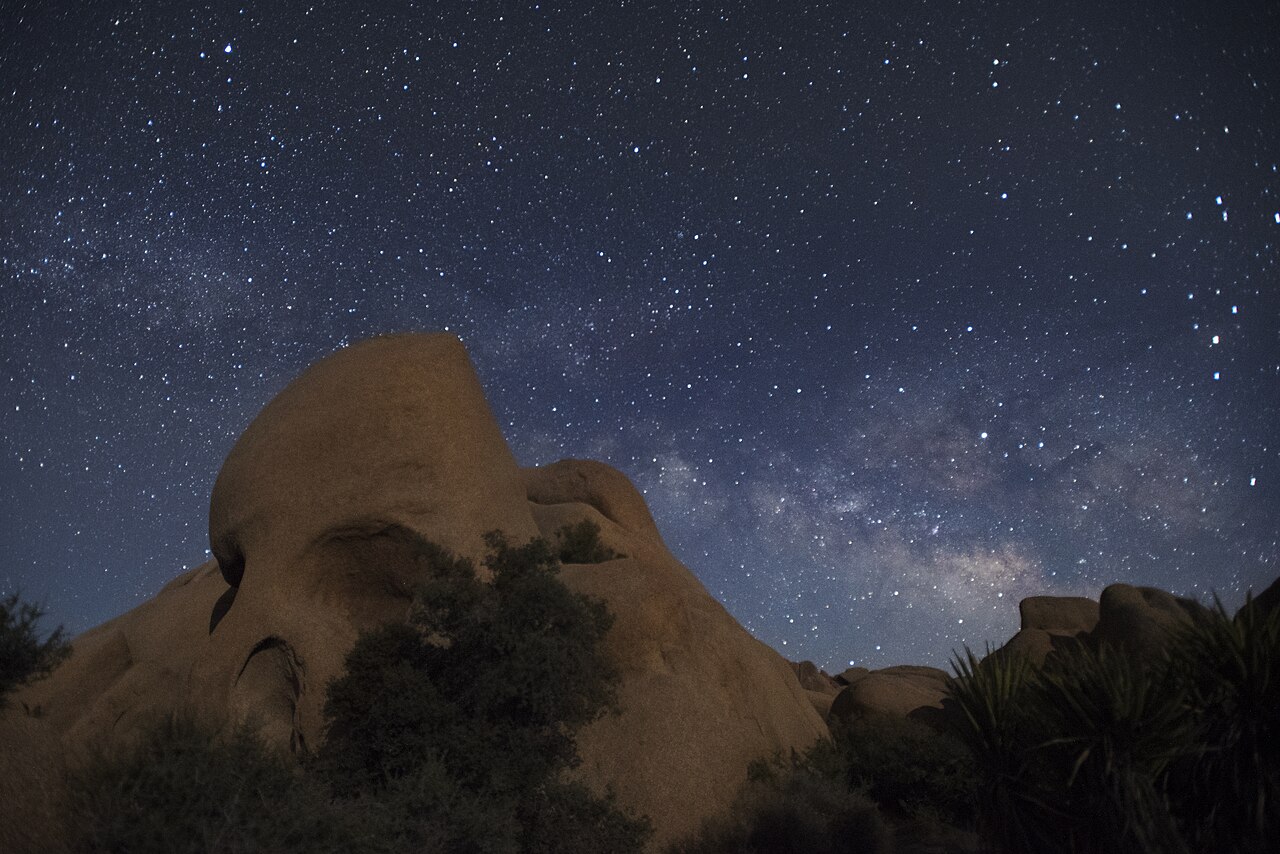
Expose the rock as a quiet warm mass and leave most of the frame to the Milky Way; avoid theatrical colored light.
PHOTO · Joshua Tree National Park · Public domain ↗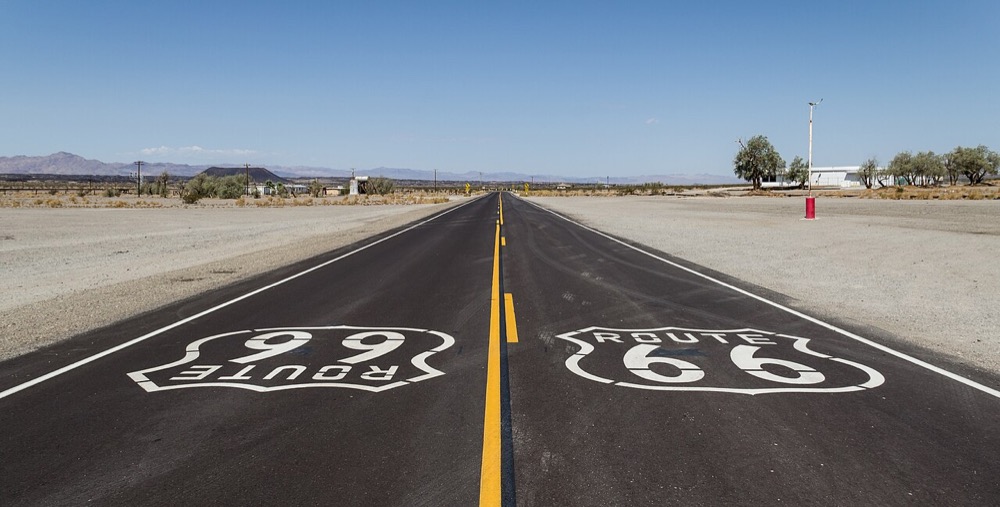
Find a legal pullout and center the vanishing point; let the Mazda shrink into distance.
PHOTO · Dietmar Rabich · CC BY-SA 4.0 ↗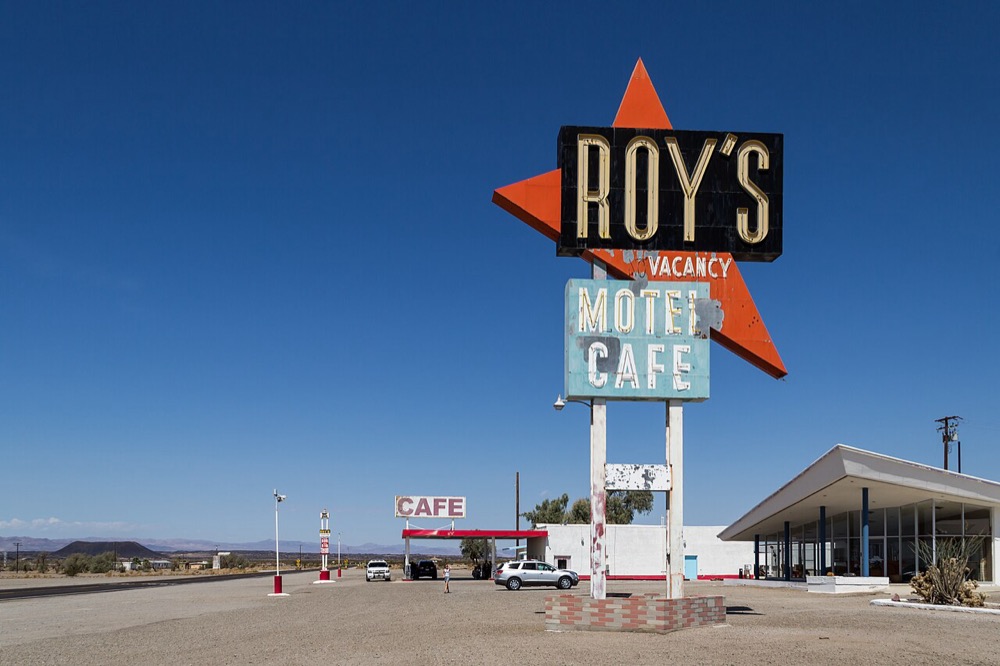
Use the sign as the hero, then collect weathered type, pumps and empty-road details.
PHOTO · Dietmar Rabich · CC BY-SA 4.0 ↗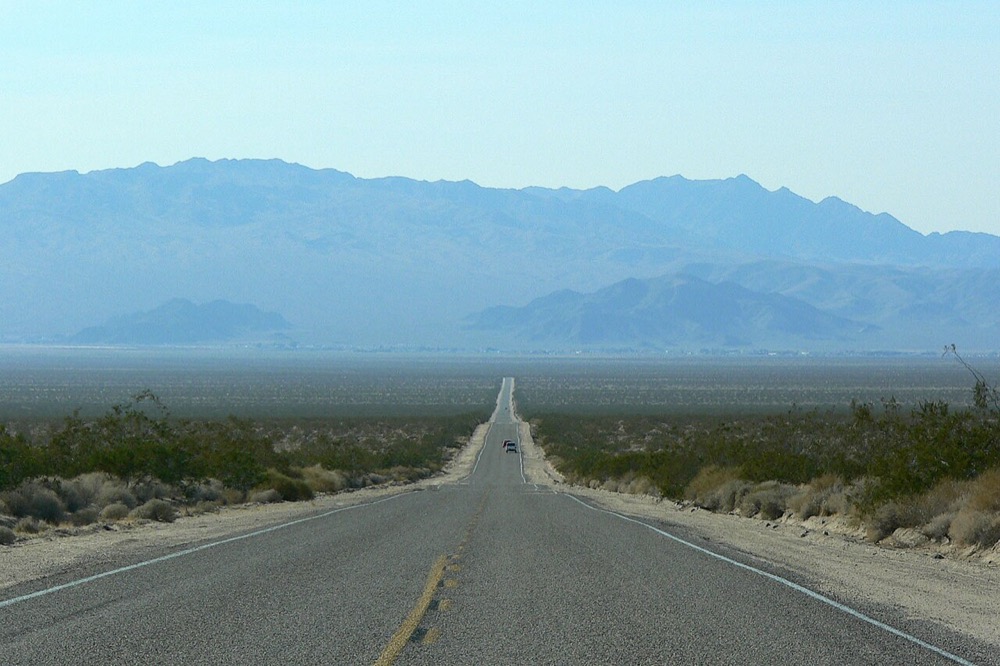
Layer asphalt, mountain and open sky; use a telephoto frame to exaggerate the road’s rise.
PHOTO · Stan Shebs · CC BY-SA 3.0 ↗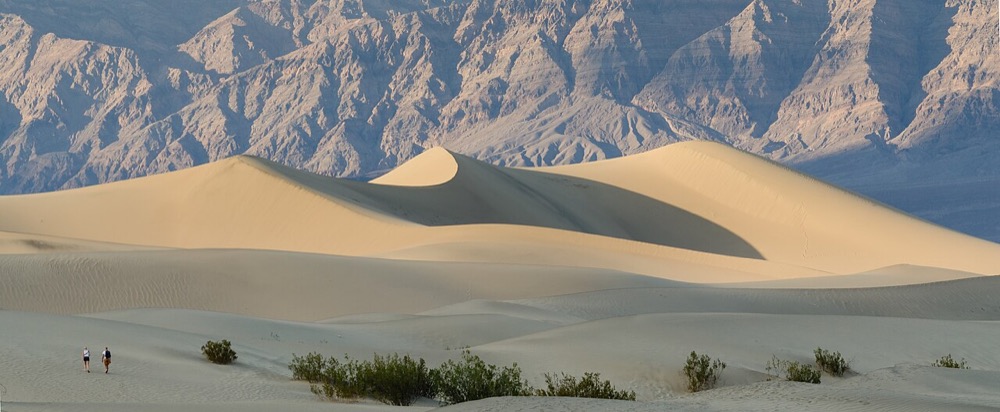
Keep footprints off the clean foreground and use a ridge silhouette beneath the stars.
PHOTO · Tuxyso · CC BY-SA 3.0 ↗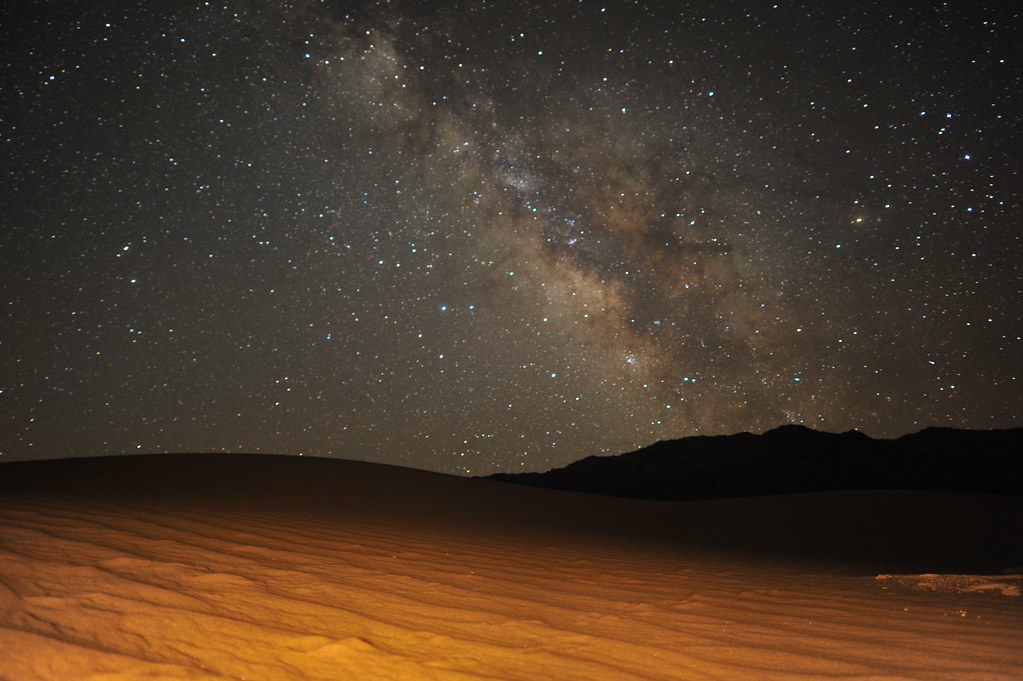
Use one clean dune edge as the horizon and let subtle foreground light reveal wind texture without flattening it.
PHOTO · Kartik Ramanathan · CC BY-NC-ND 2.0 ↗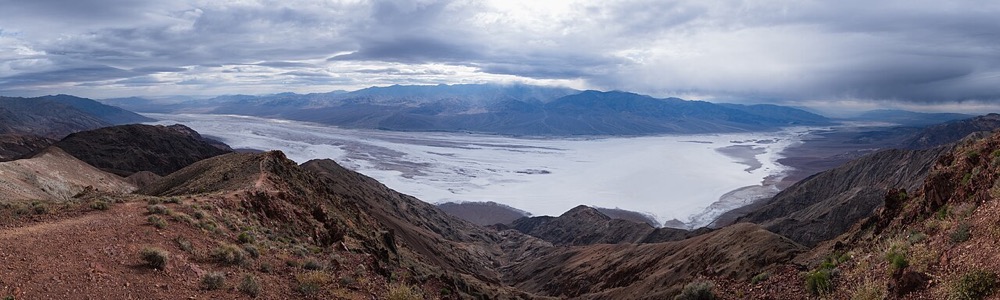
Show the full basin from above, then isolate layered ridges as first light advances.
PHOTO · Christian David · CC BY-SA 4.0 ↗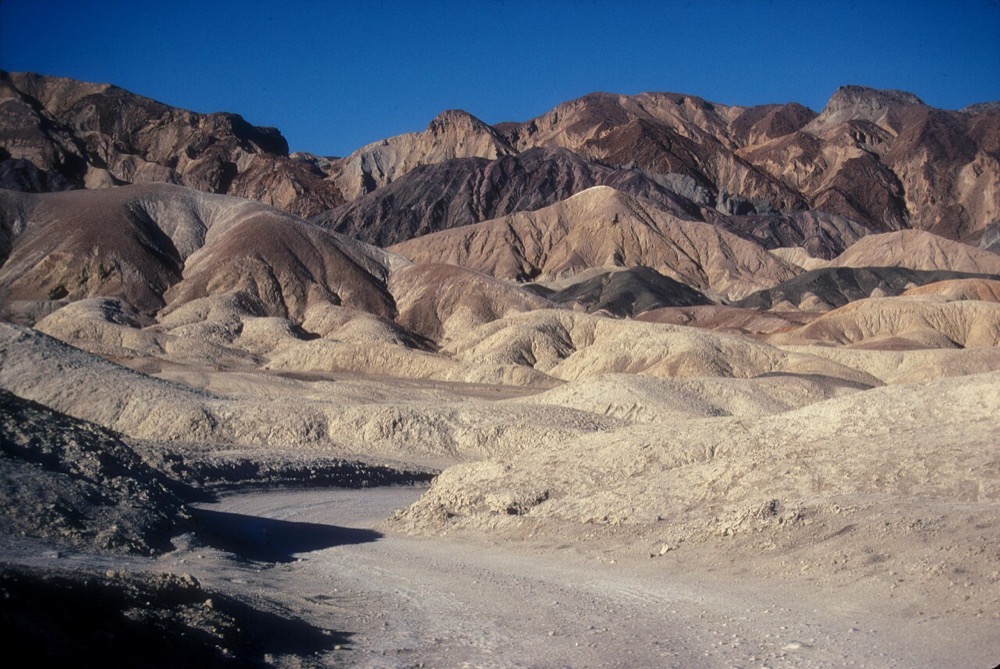
Use the winding one-way road as a graphic line through pale badlands.
PHOTO · Jerrye & Roy Klotz · CC BY-SA 3.0 ↗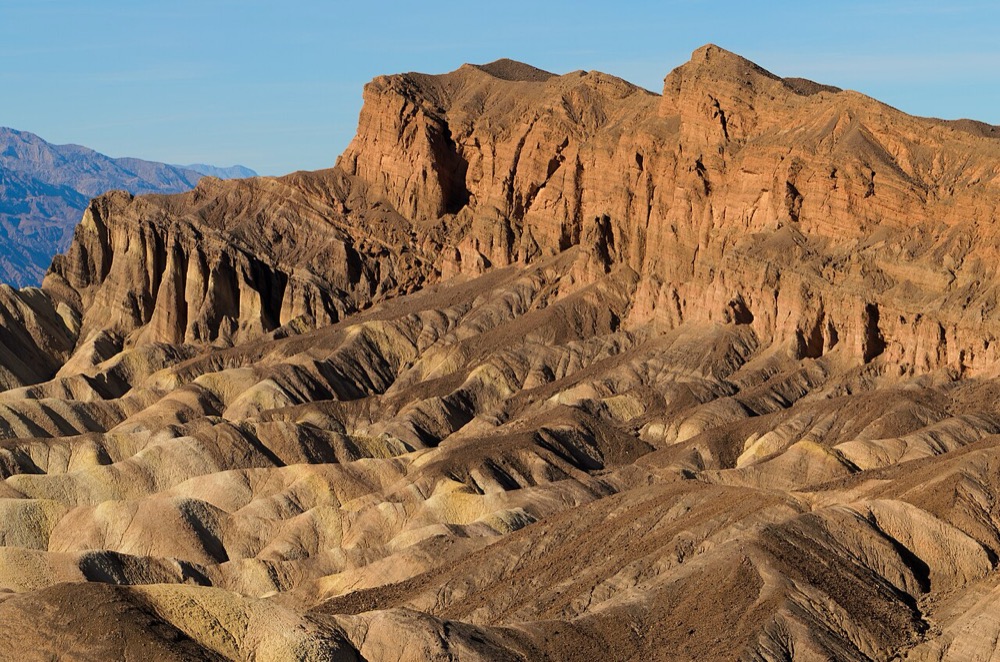
Compress the eroded bands with the 70–200mm and wait for raking side light.
PHOTO · King of Hearts · CC BY-SA 3.0 ↗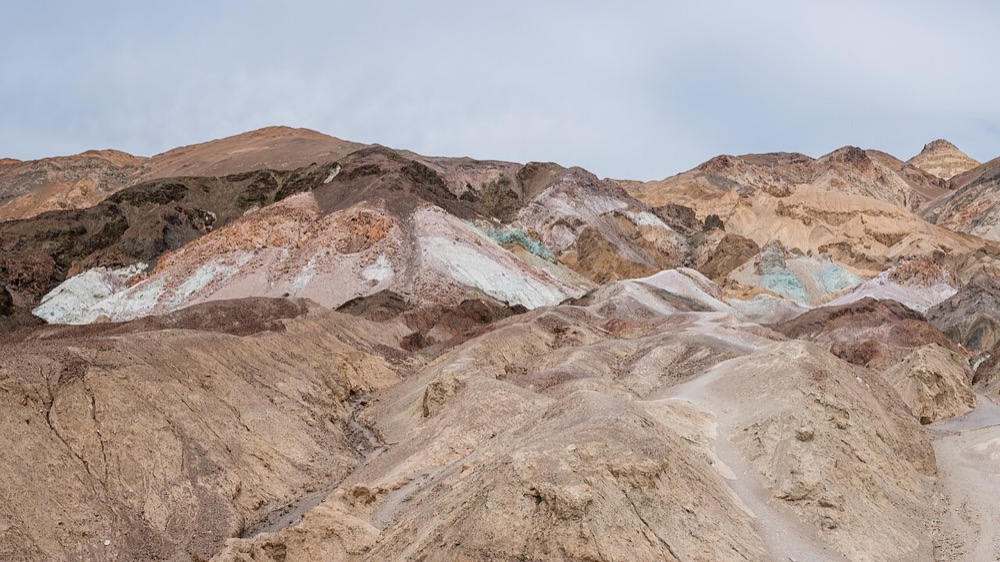
Use a longer lens to turn the mineral colors into layered abstract shapes.
PHOTO · Christian David · CC BY-SA 4.0 ↗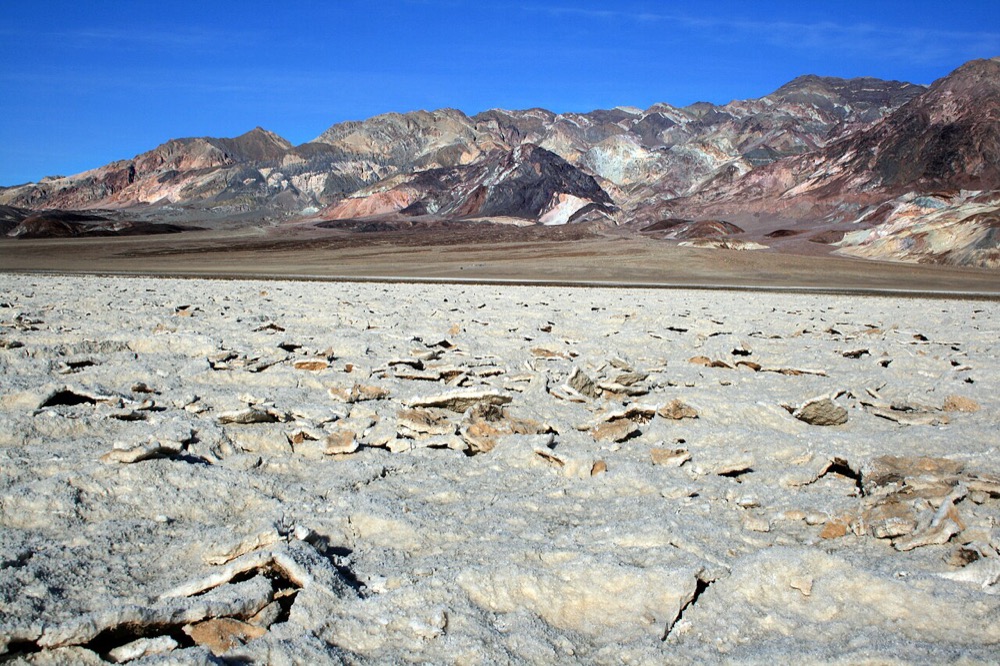
Get low so raking light exaggerates the sharp salt texture; protect the horizon.
PHOTO · Brocken Inaglory · CC BY-SA 3.0 ↗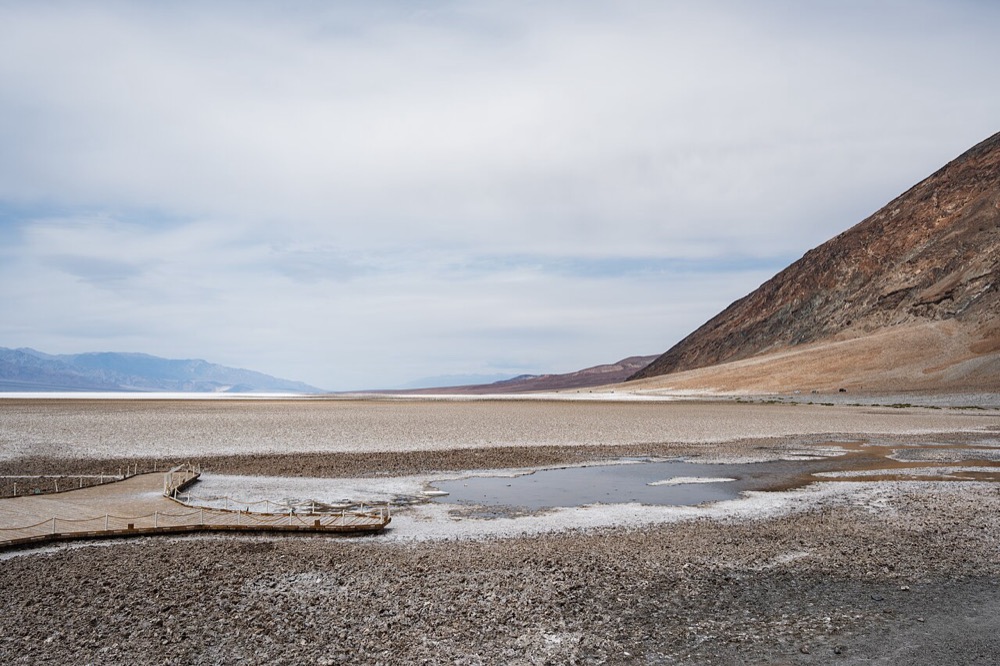
Lead with salt texture, widen to the basin, then reserve a clean foreground for astro.
PHOTO · Christian David · CC BY-SA 4.0 ↗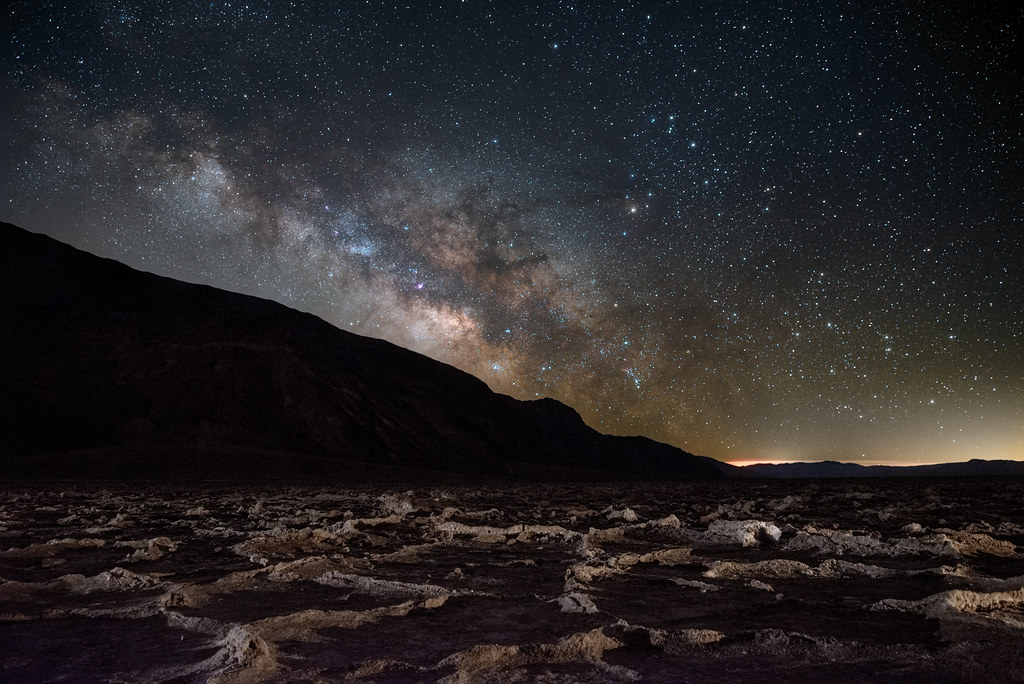
Use the salt formations as a dark textured base and place the galactic core above the mountain shoulder, watching the eastern glow.
PHOTO · Preston Dyches · CC BY-NC 2.0 ↗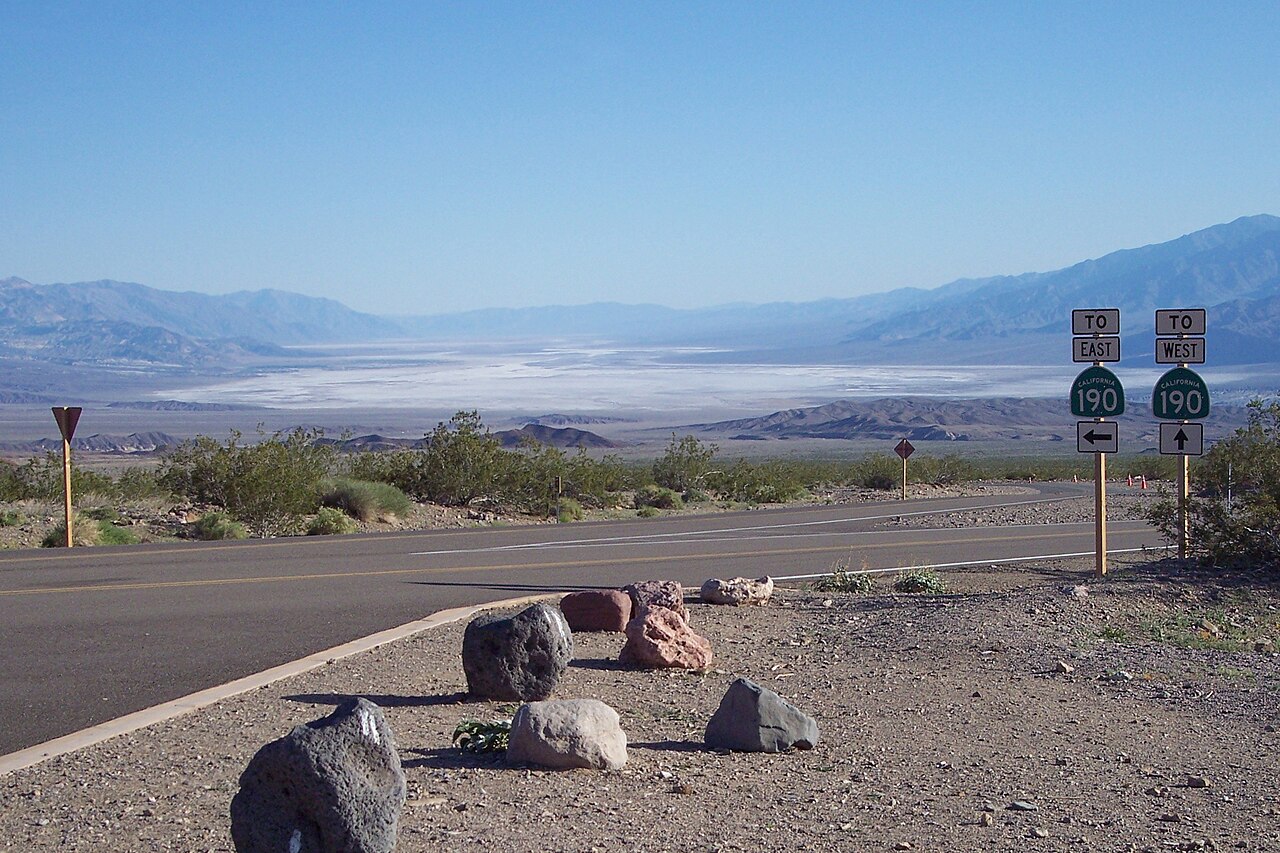
Use the empty roadway and route signs to frame the drop into the basin; add the Mazda only after securing a clean plate.
PHOTO · Adbar · CC BY-SA 3.0 ↗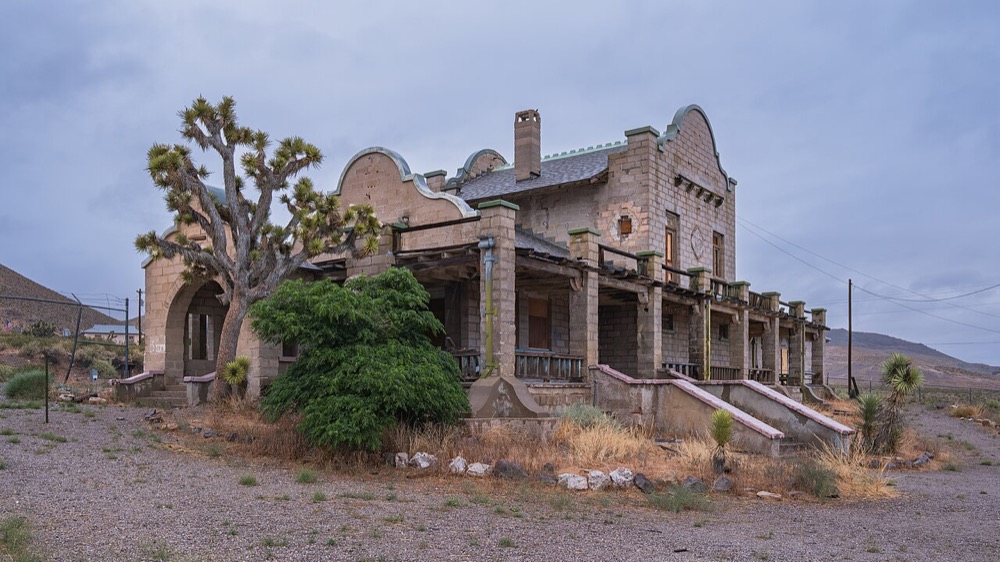
Frame desert through empty windows and doors; let hard light describe the ruins.
PHOTO · Christian David · CC BY-SA 4.0 ↗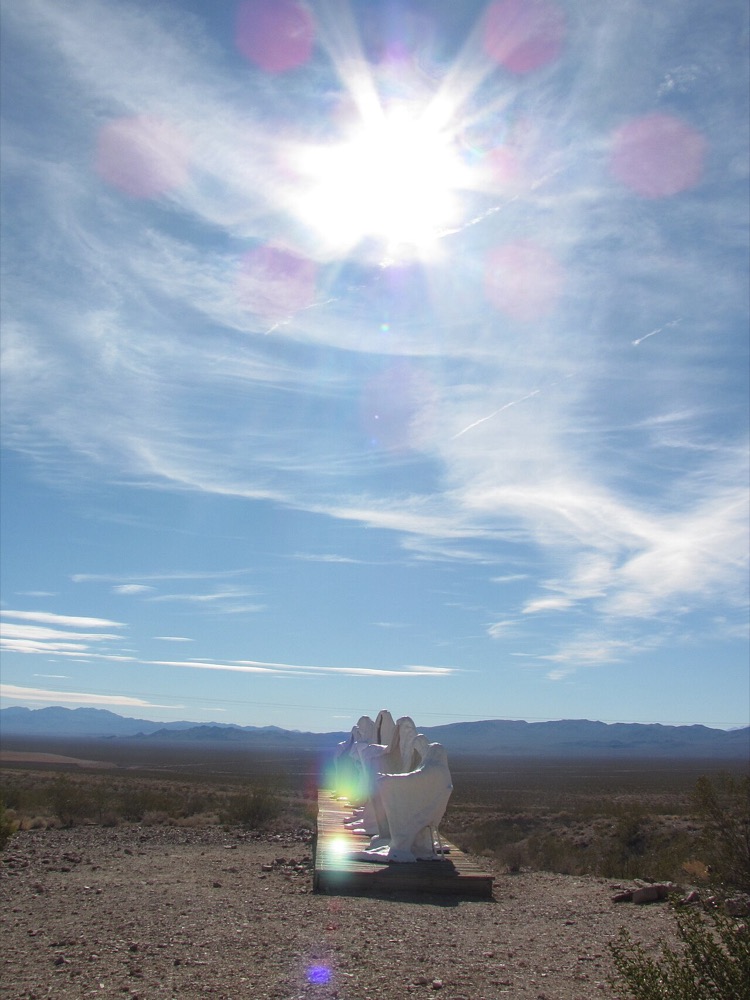
Separate the ghost figures against open desert and look for scale with a traveler.
PHOTO · Mmloveless · CC BY-SA 4.0 ↗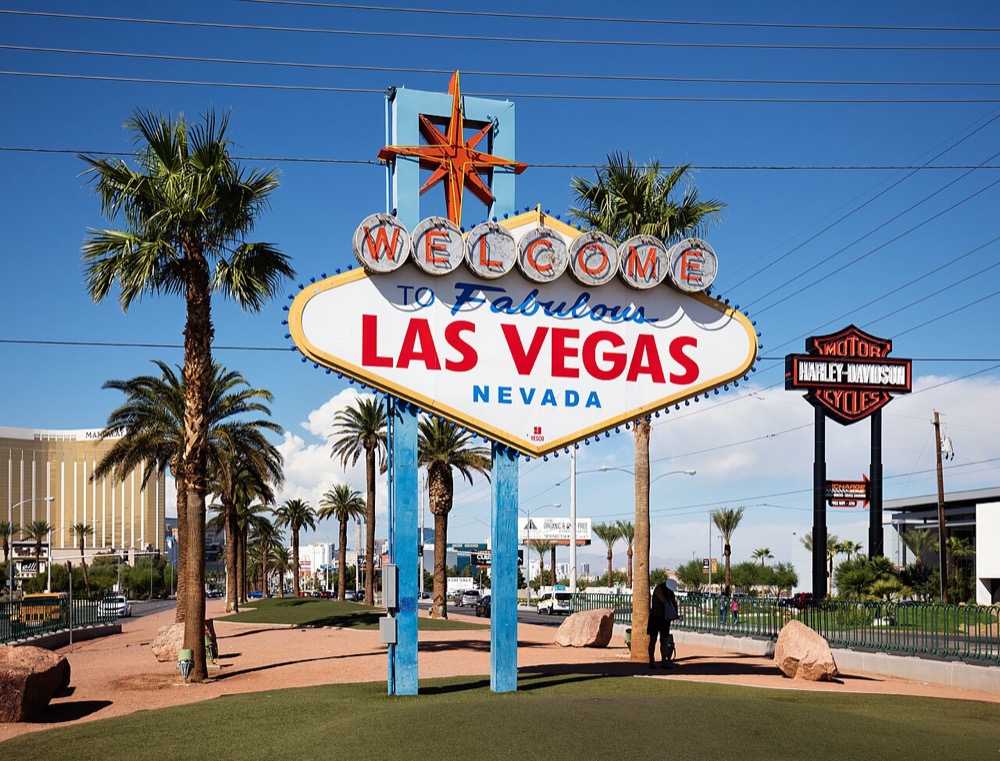
Use a centered documentary frame quickly; prioritize the airport buffer over this stop.
PHOTO · Thomas Wolf · CC BY-SA 3.0 ↗Booked: El Rancho Dolores, Aug 12–13. The Perseids peak overnight under a new moon; the Aug 12 solar eclipse is not visible from California.